

Can a Child with a Hole in the Heart Live a Normal Life After Treatment?
October 23, 2026 | Contributed by Abhinav Damera
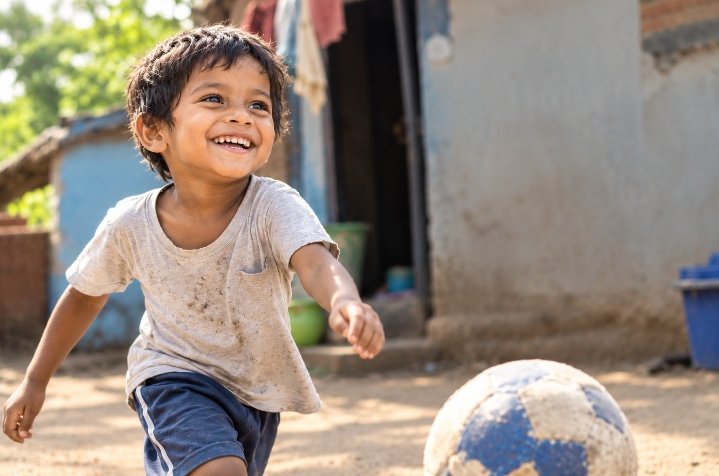
Whenever parents hear about “hole in the heart,” fear often precedes knowledge. They envision a child who will never be able to run, play, and study in school like his/her peers in school. In fact, however, timely hole in heart treatment results in a healthy and happy life.
What does “hole in the heart” mean?
“Hole in the heart by birth” condition is congenital heart disease, which means that the child was born with a gap in the wall dividing heart chambers. If the opening lies between the two upper chambers, it is referred to as an atrial septal defect (ASD). In case the gap lies between the two lower chambers, it is known as ventricular septal defect (VSD). Some infants are born with patent ductus arteriosus (PDA), which means that a blood vessel remains open, despite closing right after birth. Due to the presence of this hole in heart by birth, there is mixture of oxygenated and deoxygenated blood which results in symptoms and additional workload on the heart.
Does Every Child Need Hole in Heart Treatment?
Not necessarily, minor openings such as small VSDs usually tend to heal on their own within the first few years of the child’s life. In this scenario, all that needs to be done is to monitor the baby’s progress through routine checkups. However, for bigger openings surgical interventions may be necessitated. Indicators of this condition include symptoms such as rapid breathing, difficulty feeding, profuse sweating while feeding, failure to gain weight, fatigue and chest infections. This diagnosis is carried out by a pediatric cardiologist through the help of an echocardiogram.
How is the Hole in Heart by Birth Closed?
There are two main options. In device closure, a thin tube called a catheter is passed through a vein in the groin up to the heart, and a small closure device is placed across the hole. There is no cut on the chest, and the hospital stay is short. This works well for many ASDs and PDAs. In surgical closure, the surgeon repairs the hole with a patch during open-heart surgery. This is usually needed for larger VSDs or when other defects are present. The doctor chooses the method based on the size and position of the hole and the child’s age and weight. In experienced centers, success rates for both methods are very high.
Life After Hole in Heart Treatment
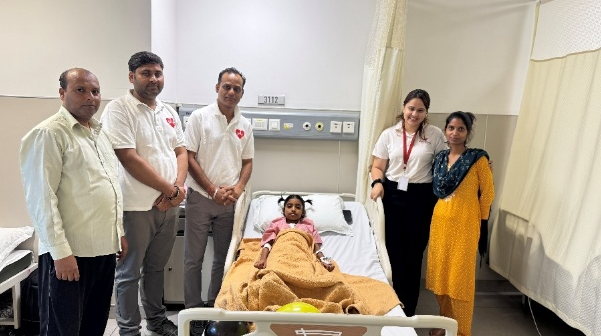
Children often recover quicker than their parents anticipate. The period of recovery after device closure is usually a couple of days. The time of recovery for those who had surgery usually lasts about a week. Recovery in terms of education implies that kids are able to go to school within weeks of treatment. The amount and kind of physical activity that can be started varies from case-to-case basis and must be based on the doctor’s advice. Since the heart is not overloaded anymore, it works better in terms of nutrition, weight gain, and fewer chest infections. In most cases, parents notice that their child is completely different after a couple of months.
What Follow-up is Needed?
It is important to make follow-up visits on a regular basis. Children are typically reviewed initially for a few weeks after treatment, then again at six months and later once a year. Some children may require certain medications to be taken even after surgery. Simultaneously, doctors may advice precautions in order to prevent any complications and maintain overall health of the children. In rare cases, a small leak around the repair or abnormal heart rhythm may occur, which must be investigated and timely intervened. However, for the vast majority of children, the heart works fine without any limitations.
What Helps a Child Recover Well?
The key factor in timely recovery is an early diagnosis. The earlier the opening in the heart is closed without causing any sequalae like lung damage, the better the prognosis. Children can also benefit through vaccinations, healthy diet, oral hygiene, and timely medications. It is important to encourage moderate physical activity and a healthy lifestyle. The child who has fully recovered must have time to enjoy childhood, play, and develop relationships with other kids.
Cost Should not Decide a Child’s Future
In India, about 2 to 2.5 lakh babies with heart defects are born each year, and not all parents can afford timely interventions. A hole in heart by birth need not limit a child’s future. This is where non-profit organizations like Genesis Foundation help poor children get timely hole in heart treatment. This enables a better future for countless children who can live perfectly normal lives similar to their peers.
At Genesis Foundation, we believe that every child with congenital heart disease deserves access to the right care at the right time.
If you want to support our work through a donation to charity or a donation in NGO, click the following link: https://www.genesis-foundation.net/donate. Your contribution can help children from underserved communities access the hole in heart treatment they need.
FAQs
Does Genesis Foundation continue to support children after their heart treatment?
Yes. Genesis Foundation’s support extends beyond the procedure. The Foundation stays in touch with the child’s family and treating doctors after hole in heart treatment and follows up on the child’s recovery and progress for up to 3 years.
What kind of congenital heart defects does Genesis Foundation support?
Genesis Foundation supports children requiring hole in heart treatment for various congenital heart defects, including holes in the heart such as ASD and VSD, Tetralogy of Fallot, valve-related defects, Coarctation of the Aorta and other conditions requiring medical intervention. Depending on the diagnosis, the Foundation facilitates the appropriate hole in heart treatment.

