


Early Signs of Congenital Heart Defects in Baby Every Parent Should Know
September 29, 2025 | Contributed by Shruti Bhandari
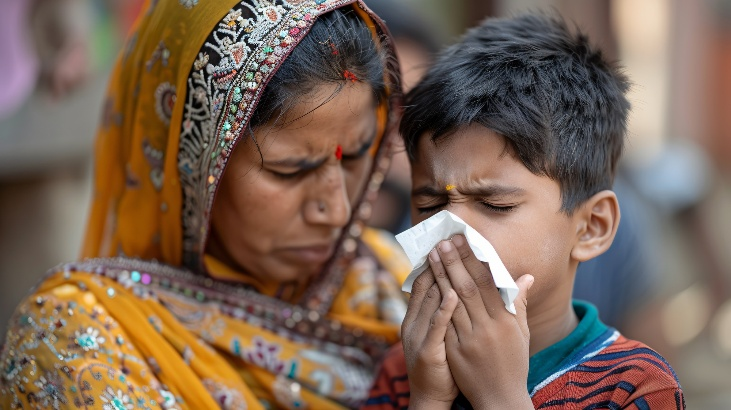
Congenital heart defects (CHDs) are defined as structural disorders that occur at birth. About 1 in every 4 babies are born with a Congenital Heart Defect, most of which are critical in nature and thus, called critical CHD’s. Babies having critical CHD require medical intervention, surgery, or other procedures, within the first year of their life to be able to survive
Why Early Identification of CHD is Important?
The first couple of weeks of life are critical as a baby begins to grow. The longer a congenital heart defect goes undetected, the greater chance the baby will have complications (poor weight gain, recurrent infections and possibly even life-threatening emergencies). Early identification of CHD protects babies from deterioration and future complications and affords treating doctors an opportunity to intervene via medications, surgery, or monitoring, providing the child with the best possible quality of life.
Important Indicators Parents Need to Know About
CHD is quiet a technical term for a layman and many of them know it simply by something that refers to a hole in a heart. Thus, understanding of the symptoms of CHD may initiate early action or referrals on the part of the families. Some of the most common and explicitly visible symptoms of CHD are:
1. Cyanosis
Cyanosis refers to a bluish tint that appears when the blood isn’t getting enough oxygen. If a child’s lips, fingernails or tongue sometimes take on a bluish tinge, especially when they are active, crying, or feeding, it can mean that the child is suffering from a congenital heart defect (CHD).
2. Rapid Breathing
Babies can sometimes face heart-related problems and breathing difficulties, especially while feeding or sucking. Signs to watch out for include fast breathing, flaring nostrils, or grunting sounds, which could indicate a more serious concern.
3. Poor Feeding and Fatigue
Babies, especially newborns, take a lot of energy while the feed. If they tire easily sucking, pause a lot when feeding, or taking a long time to complete a feed, it potentially suggests that they may have a CHD. Poor feeding usually leads to poor weight gain or failure to thrive.
4. Sweating More than Usual
While feeding or playing, if the child is sweating more than usual, it could be possible that the child’s heart is working too hard to circulate blood throughout the body.
5. Failure to Thrive
If a baby is not maintaining (a defined weight or growing) with adequate feeding, it could suggest an associated congenital heart problem.
6. Swelling in the Body
Even though it is rare to see swelling in newborn babies, swelling may occur in the legs or abdominal area, or around the eyes, and could be an early sign of a congenital heart defect.
The Role of Screening
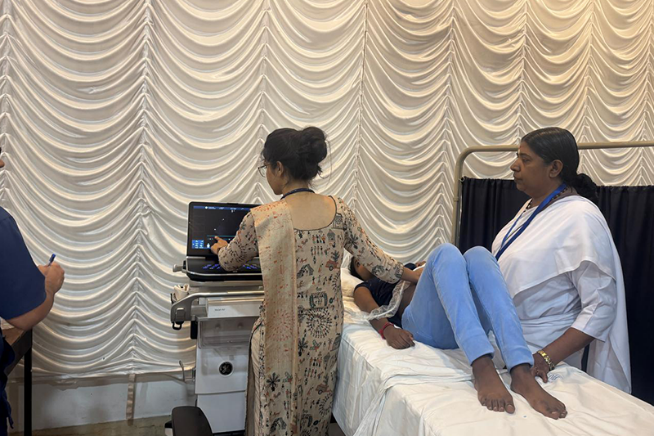
Modern medicine provides screening exams, such as pulse oximetry, which measures the oxygen level in a baby’s blood, and echocardiography, which can identify nearly all heart defects prior to or shortly after birth. Some congenital heart defects (CHD) can even be diagnosed during the pregnancy with fetal ultrasound scans, giving parents time to make plans for healthcare at delivery.
Genesis Foundation: A Children Heart Foundation in India
Among the organizations doing exemplary work in this space is Genesis Foundation, an NGO working for congenital heart disease that supports treatment of underprivileged children (0–18 years old) born with congenital heart defects (CHD). What sets us apart is its commitment to full transparency and impact. We provide financial assistance to families whose monthly income is ₹20,000 or less, ensuring that economic limitations do not stand in the way of a child’s survival. One of the most unique aspects of Genesis Foundation is that 100% of all donations from individual donors go directly towards a child’s treatment, with zero allocation towards administrative costs. This ensures that every rupee donated reaches the child in need.
How does Genesis Foundation help in Early Diagnosis?
Genesis Foundation, NGO working for congenital heart disease, helps in early diagnosis by finding children in need. We have set up screening camps across multiple cities like Srinagar, Nuh, Guwahati, Kargil, Shirampur, Patna, Haldwani, Gorakhpur, Ranchi, etc. These camps have expanded our reach, bringing care to families who would otherwise not have access to treatment. We work directly and closely with the families, guardians, and doctors to provide not only timely, but also the best available treatment. Many families remain unaware that their child has heart disorder simply because they do not know what signs to look for.
As a children heart foundation, we build and update a valuable repository on congenital heart defects (CHDs) to spread awareness and ensure access to current treatment information in India. This is imperative to spread awareness for parents to recognize early signs and take timely action.
Connect with Genesis Foundation Today!
If you are seeking help for your child or know anyone with CHD symptoms, you can contact us. You can also donate to us and help us save a little heart today. Genesis Foundation is the best NGO in Haryana and is a pioneer in its space, making it a trusted children heart foundation. To know more about the Foundation, call +919650603438 or email contactus@genesis-foundation.net. To find out more about our work, visit www.genesis-foundation.net or follow us on- Facebook, LinkedIn, Twitter, Instagram and YouTube.

