


How Do Doctors Diagnose a Hole in the Heart?
December 5, 2025 | Contributed by Navaneeth R.
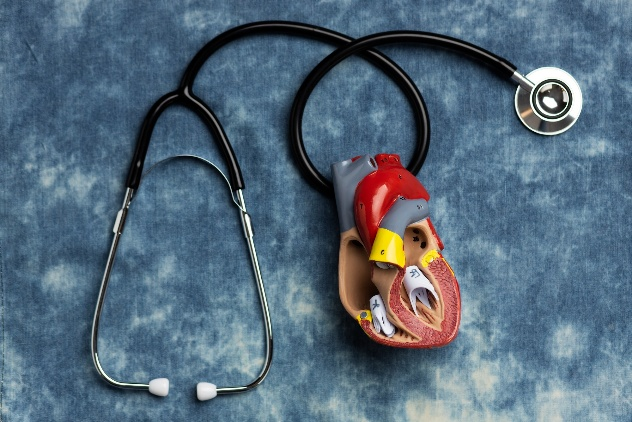
The human heart is the pinnacle of efficiency, the power and precision of which cannot be duplicated by any man- made machine. As much as we adore the heart, the mere thought of any defect in it reminds us how fragile we are. The term “Hole in the heart” is a phrase that is relatively well known but strikes us with fear, because it is mostly little children that must go through the peril of this disease affecting the organ that sustains our life. But does the diagnosis of this condition truly take away all hope? Most importantly, how can we diagnose hole in the heart by birth?
Let’s find out that below.
What is a Hole in the heart?
The heart, as we know, is made up of four chambers. The atria which lie above and ventricles which lie below. The wall that separates the two atria is the interatrial septum. Similarly, the interventricular septum separates the two ventricles. The hole in the heart refers to any defect in these septa due to which there will be abnormal flow of blood between the chambers, adversely affecting the sophisticated pressure-volume dynamics of the heart and circulation. It could be an atrial septal defect (ASD) or a ventricular septal defect (VSD) among which VSD is the most common. These defects come under a broader category of diseases called congenital heart disease (CHD) which include any defects in the heart that are present at birth.
Diagnosis of Hole in the Heart
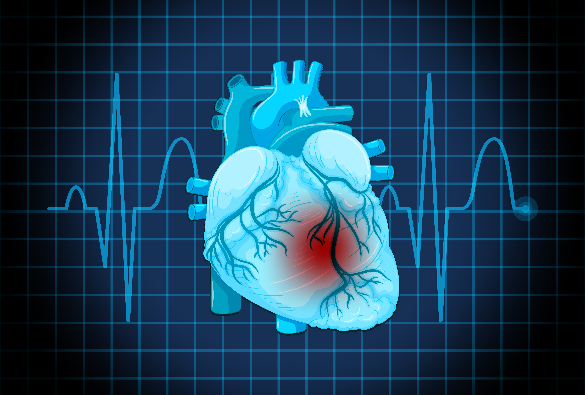
Before delving into the nuances of diagnosis of septal defects, it is important to highlight why an early diagnosis is crucial for better outcomes. Delay in diagnosis and hole in heart treatment can lead to increased pressure in the blood vessels of the lungs, often irreversible. There are many early signs that point towards congenital heart disease (CHD)u, including septal defects. They include breathlessness, inability to gain weight, recurrent chest infections, fatigue, and difficulty feeding among others. On clinical examination, often a murmur is heard. The diagnosis is confirmed with the help of various investigations. ECG taken in the children with VSD or ASD can show variations. Subtle changes can also be seen in a chest x-ray. Echocardiography, which is an imaging technique using ultrasound, is done to confirm and precisely characterize the defects. Here, we can directly visualize the defect and describe its size, location, hemodynamic significance, any associated anomalies and use color doppler to find turbulent flow across the hole. Apart from these conventional tests, advanced imaging techniques like cardiac MRI are available now, increasing the precision in diagnosis.
Hole in Heart Treatment Options?
With the advancement in technology, doctors are now able to provide hole in heart treatment to the patients. These are non-invasive procedures performed in the Cath Lab. These procedures involve using a thin wire or a catheter to enter the heart and close the defect using a device, essentially a heart hole treatment without surgery. This is mainly used for ASD. In VSD, surgical repair remains the gold standard treatment option. Although in some specific types of VSD, closure occurs without any intervention. With timely treatment, we can prevent the complications that may occur in these children and save their little hearts.
Genesis Foundation: An NGO that Supports Treatment of Hole in Heart in Newborn
Hole in heart treatment is often easier said than done. The average cost of such treatments lies in the range of Rs. 2,00,000- 4,00,000, and for many, access to these life-saving treatments remains an unattainable dream. Genesis Foundation, an NGO in Haryana, supports treatment of hole in heart in newborns. The Foundation facilitates heart treatment of children of underprivileged children (0–18 years old) born with congenital heart defects (CHD), who come from families whose monthly income is ₹20,000 or less, ensuring that economic limitations do not stand in the way of a child’s survival.
To know more about the Foundation, call +91 96506 03438 or email contactus@genesis-foundation.net. To find out more about our work, visit www.genesis-foundation.net or follow us on- Facebook, LinkedIn, Twitter, Instagram and YouTube. To make a congenital heart disease donation, click here: https://www.genesis-foundation.net/donate.
References:
Kliegman, R. M., St. Geme, J. W., Blum, N. J., Shah, S. S., Tasker, R. C., & Wilson, K. M. (Eds.). (2020). Nelson Textbook of Pediatrics (21st ed.). Elsevier.

