

Hole in Heart by Birth: Understanding Congenital Heart Disease
November 2, 2026 | Contributed by Parneet Gill
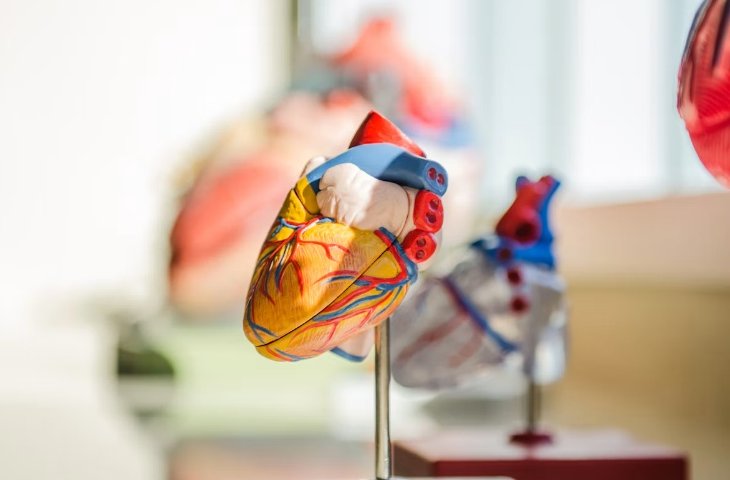
The heart takes its first form from the conception of the pregnancy period. Sometimes, everything goes fine. But in some babies the form is differently shaped than how it is supposed to be. In the medical term the condition is called congenital heart disease (CHD).
Famous for her ethereal beauty and thrilling performances, this legendary bollywood actress Madhubala too was diagnosed with this condition from her very birth. She suffered from ventricular septal disease, also known as hole in heart and had an amazing acting career.
In basic terms, CHD is a problem with the heart which is present at birth (congenital refers to the condition at birth). This type of problem develops during pregnancy when the heart has not completed its formation. One of the most common types of congenital heart disease is a hole in the heart by birth. In this case, a heart may be visually imagined as a house with a wall that separates the whole house with various rooms (the heart chambers). If a wall of a house (a chamber of the heart) has a hole in it, it may permit blood to flow to an undesired chamber of the heart.
Some good news is not all holes in the heart are a serious problem. Many holes which are small, can close off in the course of the child’s growth. Some larger holes that may not close off can be a problem and may require intervention from the medical scene to provide support to the heart.
What Causes it?
Most cases of Congenital Heart Defect (CHD) are idiopathic. Still, some causes are known, including:
- Genetics: Heart defects can occur if there are developmental issues in the family.
- Maternal Health: Mothers with diabetes that are uncontrolled in pregnancy can have babies with heart defects.
- Pregnancy Infections: Certain infections in the first trimester can cause CHD.
- Environmental Factors: The mother’s exposure during pregnancy to certain medications and therapy can cause developmental issues in the baby.
Each heart is unique and disease is too. Defects can cause undetected symptoms. Some symptoms can occur in infants, while others can occur in adult life. Some symptoms can be difficulty eating and slow weight gain. Some of the more severe symptoms of CHD are recurrent lung infections and fatigue during physical activities. This combined with cyanosis (blueness of the skin) can be indicative of severe heart disease.
Congenital heart defects are now diagnosed with prenatal ultrasounds due to advancements in technology and modern medicine. Developmental issues of the heart can cause heart defects, which are frequently assessed to determine their effect on the baby. Congenital heart diseases of a larger size and greater complexity can now be treated thanks to modern medicine. Treatments of hole in heart in newborn can help increase the efficiency of the heart’s pumping and can help alleviate symptoms. A catheter-based technique can be used to close the heart defect through a tiny tube that is inserted through a vein and is much less invasive than traditional surgical procedures. Open-heart surgeries can also be performed to reconstruct the pathways of the heart and are very successful.
The news of a diagnosis of congenital heart disease can be daunting for families; however, the prognosis for patients has improved with modern medicine. The combination of early detection, new medical hole in heart treatments, and the continual progress in caring for patients has led to a significant improvement in the quality of life for this patient population. More modern medicine has led to a more prolonged future for this patient population, including those with CHD. Global modern medicine now has the ability to understand CHD and care for hearts to make them stronger.
Conclusion

Congenital heart defects such as a hole in the heart are no longer the life-limiting diagnoses they once were. With thew advent of newer techniques and improvements in early detection there are a range of options for treatment of hole in heart in newborn. Recent advances have enabled children born with heart defects to have a strong chance of thriving and living a complete and active life.
At Genesis Foundation, we believe that every child with congenital heart disease deserves access to the right care at the right time. We have partnered with 25+ leading hospitals to ensure that every child who comes to us receives the best possible care and the opportunity to dream big and become whoever they aspire to be.
If you want to support our work and contribute towards hole in heart treatment, click the following link: https://www.genesis-foundation.net/donate. Your contribution can help children from underserved communities access the cardiac care they need.
FAQs
What are the treatment options for a hole in the heart in newborns?
The treatment of hole in heart in newborn depends on the size, location, and severity of the defect. Small holes may only require regular monitoring, while larger defects may need catheter-based procedures or open-heart surgery.
Is hole in heart treatment successful in children?
Yes, hole in heart treatment has advanced significantly, and many children with congenital heart defects can lead healthy, active lives with appropriate care. Early detection, timely medical intervention, and regular follow-ups can improve outcomes and support a child's long-term health.

