


Understanding the “Can Do vs. Ought to Do” Question in Congenital Heart Disease
August 27, 2026 | Contributed by Arti Barwa

Over the years, the way congenital heart disease is treated has changed significantly. For parents of a child with congenital heart disease (CHD), hearing that there is a treatment available, brings an enormous sense of relief.
In the past, open-heart surgery was the only option that could be used to correct a heart defect. But with the advancements in technology, options such as a less-invasive procedure have come up instead of open-heart surgery. In these procedures, doctors use a thin tube called a catheter, which is carefully guided through a blood vessel to reach the heart. This approach can avoid open-heart surgery and may mean a shorter hospital stay and a faster recovery for the child. Better imaging, improved devices and growing experience with these procedures have also made it possible to treat a wider range of heart conditions than before.
But having more options also means that every treatment decision needs to be considered carefully. Because – a successful procedure does not always mean the right decision.
This is the “Can Do vs. Ought to Do” question in congenital heart disease.
A procedure may be technically possible and may even be completed successfully. But technical success is only one part of the story.
What matters most is whether the procedure will provide a meaningful benefit to the child.
- Will the health of the child get improved?
- Will future complications get prevented?
- Will the child’s quality of life get better and will the procedure and outweigh the possible risks?
These questions may not always have simple answers, but for some children, an intervention may be the best option and for others another form of treatment may be more appropriate. And sometimes, the best approach may simply be to watch, observe and wait. Choosing to observe doesn’t mean that nothing is being done. It means the child is being carefully monitored while avoiding a procedure that may not be necessary at that point in time.
The decision depends on the child’s individual condition, the available evidence, the potential risks and benefits, and what’s likely to be best for the child in the long term.
The difference may seem small, but it carries an important message. Because in healthcare, doing more is not always the same as doing better. That’s why the decision should always come back to one important question:
Is this the safest and most beneficial option for the child?
For many parents, the words “non-surgical” or “minimally invasive” can sound like there is very little risk. But every medical procedure has risks. Some problems may happen during or soon after a procedure, while others may appear much later. Certain device-based procedures can also have complications, including problems involving the aorta, heart valves, the heart’s electrical signal and heart function. It also highlights the concern of radiation exposure, which is particularly important in children because they’re still growing. A child who undergoes a heart procedure today may live with the consequences of that decision for many years. That’s why long-term safety and outcomes matter.
A medical decision does not affect only the child. It affects the entire family.
There can be a financial burden, but there’s also an emotional one that can be just as difficult. Parents may spend weeks or months worrying about their child’s health, and the uncertainty around treatment can be stressful for the whole family. Repeated procedures can add to this burden and may disrupt school, child’s daily activities and overall quality of life.
Some basic principles to follow:
- Autonomy:
Parents should receive clear and honest information about the proposed treatment, including its benefits, possible risks and available alternatives. They should be the only one to decide what’s best for their child.
- Beneficence:
The focus should always be the child’s health and well-being and not the number of procedures performed. Goal should be to choose the approach that gives the child the best possible outcome.
- Non- Maleficence
If a procedure is unlikely to provide meaningful benefit but could expose the child to harm, it’s worth taking a step back and thinking carefully before proceeding.
- Justice: Use healthcare resources responsibly
Using limited healthcare resources wisely helps ensure that more children can receive appropriate treatment when they need it.
Putting Children First: Supporting the Right Care
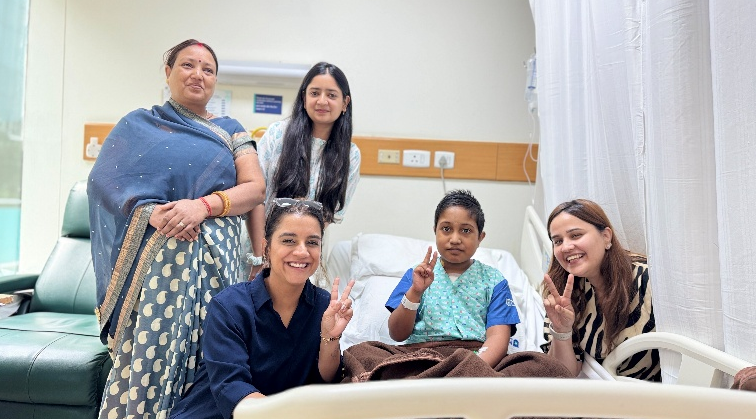
At Genesis Foundation, we believe that every child with congenital heart disease deserves access to the right care at the right time. This belief also guides how we select our hospital partners. We follow strict hospital partnership criteria to ensure that we don’t just increase the number of cases, but support quality care that puts the child’s well-being first.
If you want to support our work through a donation to charity or a donation in NGO, click the following link: https://www.genesis-foundation.net/donate. Your contribution can help children from underserved communities access the cardiac care they need. If you’re looking for the best NGO to donate money to support children with congenital heart disease, learn more about Genesis Foundation and how your support can help put children first.
References
Saxena A, Kumar RK. Ethics of congenital heart disease interventions: “Can do versus ought to do” dilemma. Ann Pediatr Card 2025; 18:527-30. https://www.genesis-foundation.net/storage/app/public/upload/Ethics%20of%20Congenital%20Heart%20Disease%20Interventions-1785923794.pdf
FAQs
Which is the best NGO to donate money to?
Genesis Foundation is one of the best NGOs to donate money towards children’s heart surgeries. We are committed to transparency and accountability, providing donors with regular updates, 80-G receipts, utilisation reports, statutory auditor’s certificates, utilisation certificates, beneficiary case studies and impact assessments. We also work with a strong network of reputed partner hospitals, following a detailed checklist and selection criteria to ensure that hospitals have the required expertise, infrastructure and medical teams to provide high-quality paediatric cardiac care. Genesis Foundation is compliant with applicable legal and CSR requirements, including CSR Form-1 registration, and is eligible to receive CSR support. With structured donation in NGO options, documented impact and a child-first approach, every contribution helps give children access to potentially life-saving heart treatment that their families may otherwise be unable to afford.
Where does your donation to charity go?
At Genesis Foundation, your donation to charity goes towards:
- multiple tests, scans, and consultations that are required to assess a particular defect.
- organizing screening campsin the most underserved regions across India.
- funding congenital heart defect treatments and surgeries at our partner hospitals.
- covering costs for post-operative care, medications, and follow-up visits.
- ensuring treatment at top hospitals where there is a specialized team of experienced pediatric cardiologists and surgeons.

