


Overview of Congenital Heart Defects
June 8, 2026 | Contributed by Aditi Srivastava
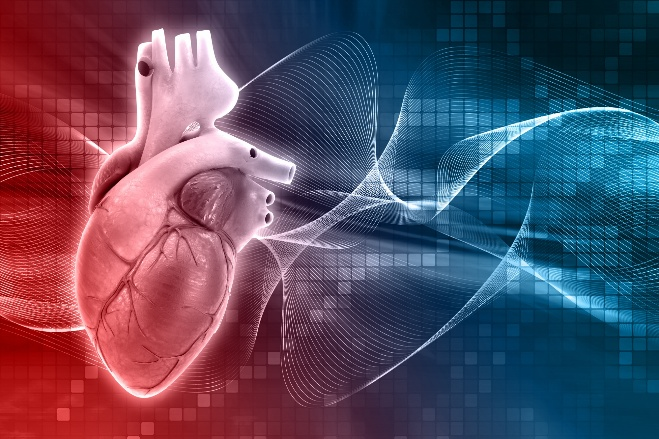
Congenital heart defects (CHDs) are a group of defects that occur due to presence of a range of structural abnormalities in the heart at birth. There arises a problem with how your child’s’ heart forms before birth, and how blood flows through their heart and beyond. They may be caused by a hole in the heart, issues with the blood vessels, blood flowing in the wrong place or in the wrong direction or problem with the heart valves.
Classification
They may be classified into cyanotic and acyanotic defects.
- Acyanotic CHDs involves heart hole diseases, for example, atrial septal defect, ventricular septal defect, and patent ductus arteriosus. These cause obstruction to the normal blood flow but no hyper coagulation or change in oxygen levels in the blood flow. The typically formed holes in the heart need to be surgically repaired but repair can be non-surgical through cardiac catheterisation. Acyanotic cardiac diseases are non-critical ones. Therefore, with early medical intervention complete cure is possible.
- Cyanotic CHDs are critical ones and cause serious complications. These mix oxygenated rich and deoxygenated blood resulting in cyanosis (bluish-purple tint of skin and mucous membranes). These include Tetralogy of Fallot (TOF) and transposition of the great arteries. Cyanotic heart diseases often require major surgery that may be open heart surgery. Preoperative per operative and post-operative care is of utmost importance during these surgeries.
Maternal Risk Factors
- Substance abuse during pregnancy: certain medications, such as lithium and acne medicine like Accutane, cause teratological changes in foetus. Exposure to alcohol and smoking result in the same.
- Pre-existing conditions: pre-existing type one and type two diabetes along with infections, like rubella during pregnancy, cause the development of the heart tube to be hampered thus, resulting in congenital heart diseases.
- Genetics: inherited traits or chromosomal abnormalities like Down syndrome and phenylketonuria result in congenital heart diseases. In late prima gravida the incidence of congenital heart disease is five times higher than in the normal population of first-time mothers this is due to non-disjunction of chromosomes during metaphase I of meiosis.
Signs and Symptoms
Given below are the early signs of congenital heart defects:
- Rapid irregular heartbeat (arrhythmia).
- Blue tint in lips, skin and fingernails (cyanosis).
- Shortness of breath or difficulty feeding of infant.
- Excessive fatigue during exertion or exercise.
- Swelling in legs, abdomen or areas around eyes (edema – pedal, ascites or pupillary)
- A heart murmur is heard in some cases.
- Weak pulse or a pounding heartbeat.
Diagnosis and Treatment
Most congenital heart defects are identifiable way before birth thanks to ultrasound imagery during routine ultrasound that occur during perinatal or antenatal care for a pregnant female. If not, they are identified right after birth through screening of the newborn. Diagnostic tests include the use of MRI, CT and echocardiogram.
Obstructive lesions may be observed, and there is a reduction in systemic, pulmonary or both types of blood flow. There may be atresia of valves where they do not overlap correctly. Aortic coarctation, aortic regurgitation or pulmonary stenosis be present.
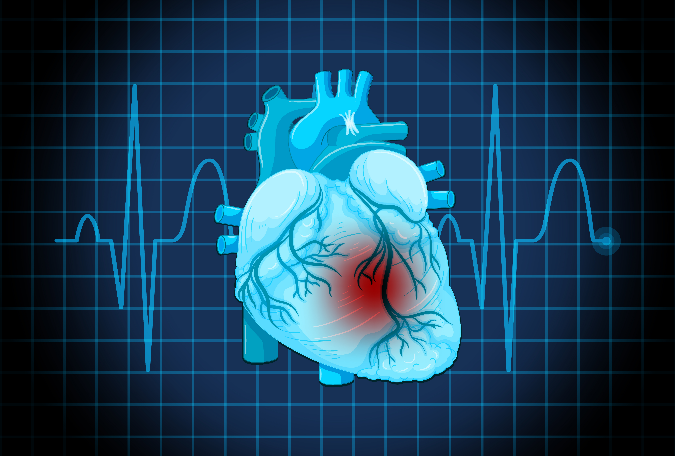
While minor holes in the heart may close naturally, surgical treatment is often required for larger holes and transposition of arteries. It requires a combination of lifelong monitoring, medications, cardiac catheterisation procedures or open-heart surgery. The probable course of treatment is monitored by your paediatric or congenital heart disease healthcare provider. With advances in paediatric cardiology, many children with congenital heart disease now live long and productive lives as adults (~90%). Prostaglandin E1 relaxes the cardiac muscle and reduces the workload on the heart. Oxygen therapy provides higher levels of oxygen to a deficient person. Medications are also given to manage blood pressure and make the heart work more efficiently.
Complications
- Arrhythmia
- Heart failure
- Kidney disease
- Pulmonary hypertension
- Liver disease
- Endocarditis
- Neurological issues
- Thrombus or embolus formation
- Aneurysm
- Scar tissue formation
To Sum Up
Congenital heart defects are a great burden on the overall population (~1%) that is affected by it and their loved ones. These diseases create anxiety, health anxiety, financial constraints and uncertainty about lifespan of individual. There aren’t any proven strategies to prevent congenital heart disease. People are born with it, usually from unknown causes, and it’s beyond our control to prevent them. Treatment has come a long way, and your child can still live along fulfilling life with the disease. Choose a cardiologist that provides holistic treatment that is evidence backed and reviewed by medical professionals to ensure accuracy, reliability and up-to-date clinical standards.
Connect with the Genesis foundation, where we believe that no child should be denied the chance to grow, heal and thrive because of a congenital heart defect.
To know more about the child heart foundation in Delhi NCR, visit our website https://www.genesis-foundation.net/. To provide CSR support for non-profit organizations, call at +91 96506 03438 or drop an e-mail at contactus@genesis-foundation.net. Genesis Foundation has supported over 5500+ children, all with the support of their CSR fund donors and partners.

