


The Healers Journal: A Personal Reflection on the Journey of Healing
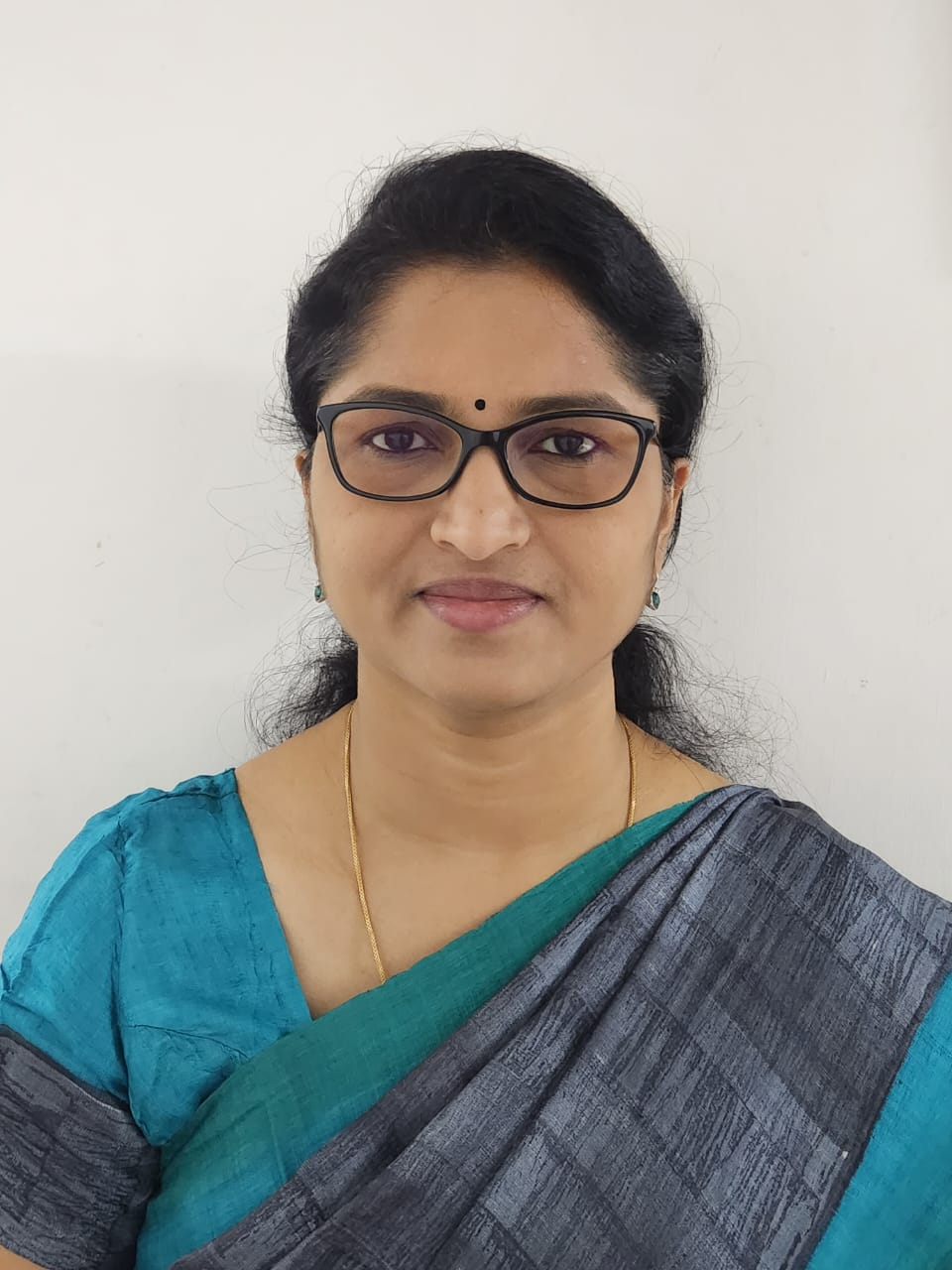
August 4, 2025 | Contributed by Dr. Saileela Rajan
Every day, pediatric cardiologists face the difficult task of breaking the news to young parents that their child has congenital heart disease (CHD). We witness parents go through overwhelming emotions of shock, denial, fear, guilt, helplessness and uncertainty as they struggle to process the harsh reality. And then follow the volley of questions. Will my baby survive? Will he experience pain? Can he lead a normal life? Can he go to school? Can he play like other kids? What will his quality of life be? What could I have done to prevent this? This conversation marks the beginning of a long journey involving medical decisions, treatment plans, hospital stays, financial challenges, and long-term follow-up, thus setting the stage for a deep bond between the family and the doctor. Leading this conversation requires not only clinical expertise and professional insight but also a great deal of empathy and compassion. It involves delivering medical information in a simple, understandable way, giving them hope while honestly communicating the complexities involved in the treatment, with a thoughtful choice of words to convey this balance effectively.
The journey of a child with a CHD not only changes the parents in profound ways, but also impacts the treating physician, giving them a new perspective on life. Parents navigate this difficult path with the strength they never knew they had, with the hope that their child will survive and be able to live a normal life like other children. Physicians become more empathetic and more attuned to the uncertainties of life. Over the years, my journey in pediatric cardiology has not only enriched my experience as a doctor but has also taught me several life lessons. I have evolved and am continuing to evolve, gaining a deeper understanding of life itself, parent psychology, emotions, and the human side of medicine. Each child and family I care for leaves a mark on me.
In the early years of my career, I encountered a young woman whose fingers, lips, and toes had a deep blue tinge – clear signs of a cyanotic heart disease. She had been confined to her home, unable to pursue college. Her family had been told there was no definitive treatment available. They had accepted it as her fate and were prepared for the worst. When they came to me, their expectations were low—they were ready for another round of grim news. But when I evaluated her, I found that her heart defect could be treated surgically. As I explained the treatment options and the good prognosis after surgery, their joy was immeasurable. Soon after, I relocated from Chennai to Hyderabad. A few weeks later, on a busy outpatient day at my new hospital, I was surprised to see this family waiting to meet me. The young woman had undergone surgery and was doing remarkably well. They had travelled all the way to Hyderabad just to thank me and express their love and appreciation. I was taken aback. I hadn’t performed the surgery. And the diagnosis wasn’t especially rare or difficult—any pediatric cardiologist would have made the same assessment. But according to them, I had given them hope after two decades of silent suffering. Early in my career, this incident left an impact on me. In our profession, our day-to-day work may feel routine and mundane to us, but to those receiving it, it can make a big difference and can be life changing. It’s not only the major procedures or complex decisions that transform lives; often, a simple word or gesture can have a profound impact.
A young woman, barely in her twenties, once walked into my room carrying her infant. Her hair was faded, not coloured by choice, but discoloured due to malnutrition. Her child was diagnosed with Down syndrome and a complex heart disease. She had travelled alone from her hometown to Chennai, a 500 km journey, to seek treatment for her sick child. Her husband, who should have shared this hardship, had abandoned her. The child underwent surgery, thanks to the support of NGOs working for congenital heart defects. He had a long and stormy postoperative course in the ICU. This uneducated young mother, who had never seen a city like Chennai, was navigating an unknown world of hospital corridors and medical jargon amidst the uncertainty about her child’s condition. Finally, when the child improved and she walked out of the hospital with him, I felt a deep sense of admiration for her perseverance and quiet bravery. When she came for review after a few months, she happily shared with me that her husband had returned and reconciled. I was surprised at her ability to forgive someone who abandoned her during the most vulnerable time of her life. I do not want to dwell on whether he deserved forgiveness, but I was glad to see that she found peace in giving it. She chose forgiveness to heal!
I have witnessed many such single mothers fight this battle alone, whose grit and resilience have inspired me. But by mentioning that, I am not discounting the fathers who have been pillars of strength to their families. There is a myth that men don’t cry. The corridors of the pediatric cardiology ward know that is not true. In the outpatient clinic, when I break the news of their child’s CHD, it is often the mother who cries. The father appears worried but seemingly composed. Again, when the child is wheeled into the catheterisation lab or operation theatre, it is often the mother who breaks down. The father appears outwardly strong. After the procedure, when I informed that the procedure went well and the child is fine, I noticed a sense of relief on the mother’s face. And often at that moment, the father’s eyes well up. Sometimes, they turn away; sometimes, the tears fall freely. I have observed this pattern several times. It seems to be a psychological paradox. Perhaps, the fathers are trying to be the source of courage to the family when the world around them seems to collapse. And when the danger finally passes, they release their suppressed emotion. I wonder at the way humans carry each other through their suffering by timing their vulnerability.
Many families have left a lasting impression on me. There was the courageous mother who consented to a fetal cardiac intervention, even though, at the time, there had been no successful procedures of that kind in the country. Her trust and optimism paid off, and the procedure was a success. Then there was the man with Eisenmenger syndrome, a serious heart-lung condition, who had been told that his condition is no longer reversible and has a poor prognosis. He went on to marry a single mother with a child and has been living a happy and meaningful life for nearly a decade now, embracing the role of a loving dad. Even when life didn’t go the way he hoped, he still wrote a story worth telling, finding hope and meaning despite the odds. And I will never forget the mother of an only child with a progressive genetic disorder, whose husband also suffered from the same illness. Despite her unimaginable challenges, she always greeted me with a broad and warm smile. Many such mothers have inspired me with their resilience and strength.
The journey does not stop with the initial treatment or procedure. Most children with CHD require lifelong follow-up involving annual check-ups and sometimes additional procedures/surgeries. Even when the child is doing very well, parents are anxious when they come for follow-up, as they worry about what could resurface after the evaluation. I see a great sense of relief on their faces when I declare that “All is well” with their child. Families who come for follow-up often become advocates for CHD treatment among newly diagnosed families. They share their experiences and success stories while waiting in the outpatient department. Connecting with other families in a similar situation can offer immense comfort and strength to parents. Many such families have come forward and offered financial help to those in need.
Often, parents send us photographs of their child dancing, swimming or winning a trophy at school; milestones that show their child is leading a normal life despite the initial setback. Watching a once sick and fragile baby grow into a strong and intelligent adolescent is heartwarming and brings us as much joy as it does to the parents. A boy who underwent Norwood procedure (a complex cardiac surgery) as a newborn is now leading his school soccer team—running, kicking, laughing, and living an active life. Another young man who had undergone multiple staged surgeries in his childhood is hiking mountains as a hobby. And then there’s the boy who, in 11th grade, underwent two complex cardiac surgeries. While his classmates prepared for exams, he fought through surgeries, catheterisations, anaesthesia, ICU stay, and pain. And yet, the next year, he cracked one of the toughest entrance exams—the JEE. Today, he walks the campus of IIT. These are not just isolated success stories. All around the world, many children born with congenital heart defects are becoming doctors, engineers, entrepreneurs, and leaders in every field. These children not only survive- they lead, dream and inspire. They remind us that a diagnosis is not the end of the story; it’s the beginning of a different kind of narrative.
My heart is filled with many such stories. It would take many blogs to share them all. A proverb says, “It takes a village to raise a child”. In Pediatric cardiology, it takes a team to save a child- first and foremost, strong and perseverant parents who don’t give up on their child, a team of pediatric cardiologists, surgeons, anaesthetists, intensivists, paramedics and nurses. Often, there is another vital member behind the team, the NGOs for child heart surgery, who ensure that no child is denied a chance to live due to financial constraints.
This journey has been demanding and challenging, yet deeply meaningful and fulfilling. Each day brings new experiences, making me feel like a novice every day. When life throws challenges my way, I draw strength from these children and parents.
Learning never really ends, both in cardiology and in life.
Dr. Saileela Rajan
Pediatric Cardiologist
MIOT International, Chennai, Tamil Nadu

